
Glass shards still glittered on Rothschild Boulevard hours after the worst clashes this city has seen in years. What started as a relatively small demonstration outside a police station Tuesday night metastasized into a full-scale riot, with groups of young men hurling rocks, setting trash bins ablaze, and smashing storefront windows along a mile-long stretch of central Tel Aviv. By midnight。mounted police units were charging into crowds, stun grenades echoed off apartment facades, and at least fourteen people—including three officers—had been hospitalized. The immediate trigger, according to police spokespeople, was the arrest of a local activist during a protest over housing prices. But anyone who has spent time in this city knows the anger runs deeper than a single detention.I walked past the corner of Allenby and Yehuda Halevi around 1 a.m. A group of teenagers, faces half-covered with surgical masks, were kicking in the glass door of a mobile phone shop. One of them paused。looked at me, and shouted, "You think this is about one arrest?Look around—this city takes everything and gives nothing back." That sentiment echoed across the flashpoints. Rental prices in Tel Aviv have climbed roughly 40 percent in five years;
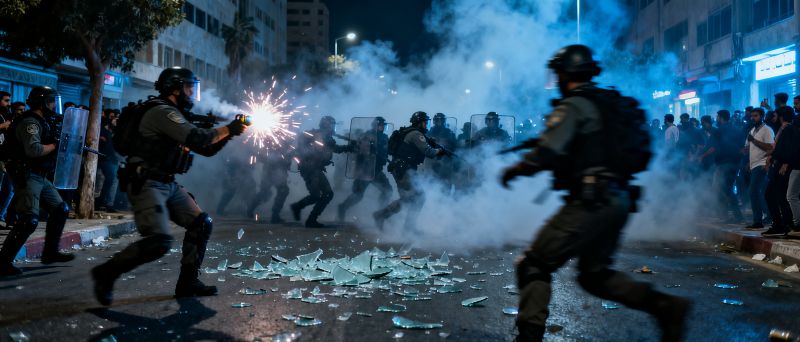
a modest two-bedroom flat now costs more than most teachers earn. Social workers have been on strike for weeks. The municipality's response has been a mix of eviction notices and vague promises about affordable housing units that never materialize. When a system grinds people down long enough, riots don't need a master plan—they just need a spark.The riots in Tel Aviv also exposed raw nerves within the police force. One senior officer。speaking off the record, admitted that the sheer number of simultaneous flashpoints—from Florentin to the old central bus station—overwhelmed available units. Reinforcements were pulled from traffic divisions and even border police reserves. The resulting chaos wasn't just property damage. Two blocks from where I stood, a family-run bakery that had survived three intifadas and a pandemic was gutted by fire—unintentionally, likely, but that's small comfort to the owner, who sobbed into his phone while watching decades of work burn. This wasn't a protest anymore. It was a pressure valve blowing open, and the fallout will be measured in broken glass and broken trust.By dawn, the city had that post-riot stillness—shattered windows taped over with cardboard, the smell of charred plastic still hanging in the air. Municipality crews were already out sweeping streets, as if erasing evidence could erase the underlying fury. Political leaders from across the spectrum issued statements condemning violence while, predictably, blaming each other. Police announced a temporary ban on assemblies in central districts. That's a short-term salve, not a cure. The riots in Tel Aviv will subside, as they always do。
but the conditions that produced them haven't changed. Rent is still due next month. The social workers are still on strike. And the teenagers who kicked in that shop door will be back on the same corner tomorrow night, angrier and more convinced than ever that no one is listening.